
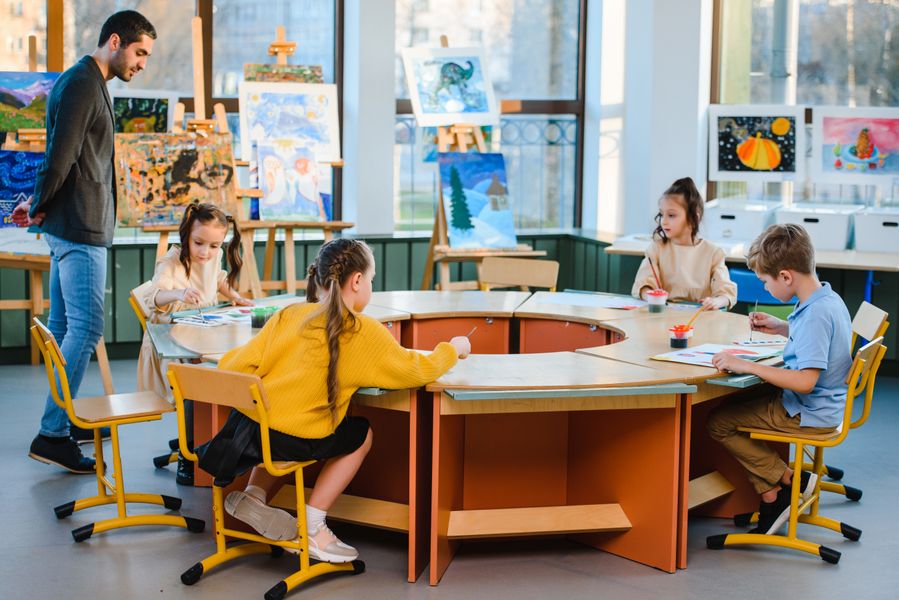
Creating an inclusive and supportive learning environment is essential for helping children thrive both academically and personally. Every child enters the classroom with unique strengths, experiences, and learning needs. When educators foster a culture that values diversity and encourages participation, students are more likely to feel confident, engaged, and motivated to learn. A positive learning environment not only supports academic achievement but also promotes emotional well-being, social development, and meaningful peer relationships.
As classrooms continue to become more diverse, the need for inclusive practices has grown significantly. Educators must be prepared to recognize and respond to different learning styles, abilities, and cultural backgrounds. By creating spaces where all children feel respected and supported, schools can help reduce barriers to learning and encourage equal opportunities for success. Building inclusive environments requires intentional effort, but the long-term benefits for students, educators, and communities make it a worthwhile investment.
Create a Classroom Culture of Respect and Belonging
A positive classroom culture begins with clear expectations that promote respect, kindness, and cooperation. When children consistently experience these values in the classroom, they develop a stronger understanding of how to interact respectfully with others. Teachers help reinforce this behavior by encouraging empathy, recognizing individual contributions, and creating opportunities for collaboration. These efforts help students feel comfortable expressing their thoughts and participating in classroom activities. As children gain confidence in their ability to contribute, they become more engaged in learning and more connected to their peers.
Creating this sense of belonging requires educators to continually refine their understanding of child development, inclusive teaching practices, and student support strategies. Many teachers expand their expertise through professional development opportunities, while others enroll in an online MEd Early Childhood Education program to strengthen their ability to meet the needs of diverse learners. This may include children with different learning styles, cultural backgrounds, developmental stages, and support needs. Institutions like William Paterson University offer a program that explores topics including inclusive instruction, family engagement, curriculum development, and equitable learning practices. By developing knowledge in these areas, educators can create learning environments where every child feels respected, supported, and encouraged to succeed.
Use Inclusive Teaching Strategies
Inclusive teaching recognizes that children learn in different ways and at different paces. Effective educators use a variety of instructional methods to ensure all students can access and understand the material. This may include visual resources, hands-on activities, group projects, and interactive discussions. Offering multiple ways for students to engage with lessons allows educators to address diverse learning preferences and needs.
Teachers should also provide flexible opportunities for students to demonstrate their understanding. Some children may excel through written assignments, while others may perform better through presentations, creative projects, or collaborative tasks. Regular assessment and feedback help educators identify areas where additional support may be needed. By adapting instruction and maintaining high expectations for all learners, teachers can create a more equitable and engaging educational experience.
Design Accessible and Welcoming Learning Spaces
The physical environment plays a significant role in shaping children’s learning experiences. Classrooms should be organized to support accessibility, safety, and comfort for all students. Clear pathways, appropriate seating arrangements, and easily accessible materials can help children navigate the space with confidence. Thoughtful classroom design reduces barriers that may prevent students from fully participating in learning activities.
A welcoming learning space should also reflect the diversity of the students it serves. Inclusive displays, multicultural learning materials, and positive visual supports can help children feel represented and respected. Educators can further enhance engagement by creating areas for collaboration, independent work, and quiet reflection. When students feel comfortable and included in their surroundings, they are more likely to participate actively and develop a positive connection to learning.
Support Social and Emotional Development
Social and emotional skills influence how children interact with others, manage challenges, and participate in learning. Educators can support this development by teaching skills such as self-awareness, empathy, and effective communication. Daily classroom activities that encourage cooperation and problem-solving help students build positive relationships while strengthening their confidence.
Teachers should also create opportunities for students to express their thoughts and emotions in a respectful environment. When children feel heard and understood, they are more likely to develop a sense of security and trust. Strong social and emotional support contributes to better behavior, increased engagement, and improved academic outcomes.
Foster Strong Family and Community Partnerships
Families play an important role in a child’s educational journey. Schools that maintain regular communication with parents and caregivers create stronger support systems for students. Sharing updates, discussing progress, and encouraging family involvement can help educators better understand each child’s needs and strengths.
Community partnerships can further enrich the learning experience by connecting students with valuable resources and opportunities. Local organizations, libraries, and educational programs often provide support that complements classroom instruction. When schools, families, and communities work together, children benefit from a more consistent and supportive learning environment.
Address Bias and Promote Equity
Creating an inclusive classroom requires educators to recognize and address barriers that may affect student participation and success. This includes examining teaching practices, classroom materials, and policies to ensure they support all learners fairly. Using diverse resources and inclusive language helps students feel represented and respected within the educational setting.
Equity goes beyond providing the same opportunities to everyone. It involves understanding that students may require different forms of support to achieve similar outcomes. By responding to individual needs and creating fair access to learning resources, educators can help all children reach their full potential while fostering a culture of respect and understanding.
Encourage Continuous Professional Growth for Educators
Inclusive education continues to evolve as new research and best practices emerge. Educators who actively seek professional development can strengthen their ability to support diverse learners effectively. Attending workshops, participating in training programs, and collaborating with colleagues help teachers expand their knowledge and refine their instructional approaches.
Professional growth also allows educators to upskill in areas such as cultural responsiveness, differentiated instruction, and child development. Regular reflection on classroom practices encourages continuous improvement and helps teachers identify opportunities for growth. When educators invest in their own learning, they are better equipped to create supportive environments that meet the needs of every student.