
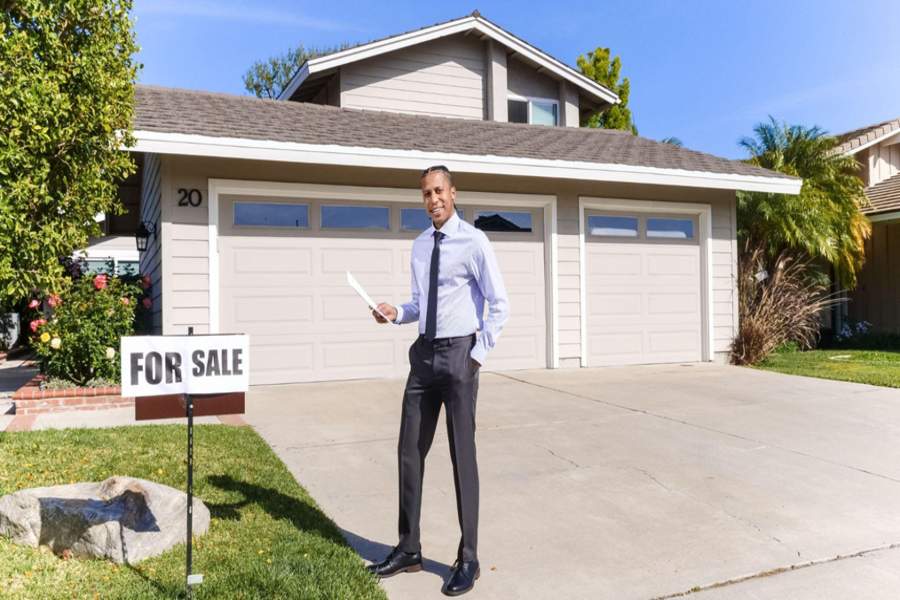
Becoming a real estate broker isn’t something you can do overnight, because the profession is regulated and demands formal training. Before you can list a property or represent a buyer, you’ll need to complete a recognized program and pass a licensing exam. This guide breaks down what the training involves, how licensing works, what it costs, and whether the career is worth pursuing.
Understanding the Real Estate Broker Profession
A real estate broker is a licensed professional who helps clients buy, sell, and rent property. Brokers act as the legal intermediary between the parties in a transaction, so their responsibilities reach well beyond showing homes. Understanding what the role really demands is the first step toward deciding whether the required training fits your goals.
Because the profession is regulated, the path always begins with proper training rather than on-the-job learning. Institutions like LaSalle College Montréal offer a real estate broker course that maps directly to licensing requirements, so students learn exactly what the exam and the job expect. That structured start saves aspiring brokers from wasting time on coursework that won’t count toward their license.
What Does a Real Estate Broker Do Day to Day?
A broker’s daily work revolves around guiding clients through property transactions from first contact to closing. They analyze market conditions, price listings, promote properties, and negotiate offers on their clients’ behalf. They also review legal documents, coordinate with notaries or lawyers, and confirm that every step follows the rules. Because each deal carries financial and legal weight, brokers spend much of their time protecting their clients’ interests.
How Does a Broker Differ From a Real Estate Agent?
People often use the words broker and agent interchangeably, but they don’t always mean the same thing. In many regions, an agent works under the supervision of a broker, while a broker has completed extra training and can operate independently. A broker’s license usually authorizes a wider scope of activity, such as holding client funds in trust or managing a brokerage. Knowing this difference helps you pick the training path that matches the career you want.
What Training Do You Need to Become a Real Estate Broker?
The training to become a real estate broker centers on a recognized program that prepares you for licensing. Regulators require candidates to complete approved coursework before they can sit for the certification exam. This program delivers the legal, financial, and practical knowledge you’ll use every day, so it forms the foundation of your career.
Which Program or Course Prepares You for the Profession?
You’ll need to enroll in a real estate broker program recognized by your regional regulator. These programs are built specifically to meet licensing requirements, so an unrecognized course won’t qualify you for the exam. Many colleges offer this training as a diploma or certificate focused on residential real estate brokerage. Choosing an accredited program makes sure your studies count toward your license.
How Long Does Real Estate Broker Training Take?
The length of real estate broker training depends on the program format and your schedule. Full-time students often finish in several months, while part-time learners may take closer to a year. Programs offered online or in the evening give working adults the flexibility to study at their own pace. Since the timeline varies, it’s worth confirming the exact duration with the institution before you enroll.
What Does the Coursework Cover?
The coursework builds the legal, ethical, and practical knowledge a broker uses in real transactions. Typical subjects include real estate law, contract drafting, property valuation, financing, and professional ethics. Students also learn how to represent clients, disclose material facts, and meet their regulatory obligations. This blend of theory and practice prepares you to pass the exam and handle real cases with confidence.
How Do You Get Licensed After Your Training?
Finishing your training is only part of the journey, because a license is what legally lets you practice. After completing an approved program, you’ll need to pass a certification exam and register with your regional regulator. This process confirms that you meet the professional standards required to represent clients.
What Exam Do You Need to Pass?
Most regions require candidates to pass a certification exam run by the governing real estate authority. In Quebec, for example, the OACIQ oversees this examination and sets the standards brokers must meet. The exam tests your knowledge of law, ethics, and transaction procedures covered during your training. Passing it shows that you’re ready to take on the responsibilities of a licensed broker.
Applying for Your Broker License
Once you’ve passed the exam, the final step is to apply for your license through the regulating body. You’ll typically submit proof of your training, your exam results, and any required background checks. Some regulators also ask for professional liability insurance before they issue a license. After approval, you can legally practice and start building your client base.
How Much Does It Cost to Train as a Real Estate Broker?
The cost of becoming a real estate broker includes tuition, exam fees, and licensing fees. Tuition varies depending on whether you study at a public college or a private institution, and whether you attend full-time or part-time. On top of the program, you’ll pay to write the certification exam and to renew your license periodically. Budgeting for these combined costs helps you plan your entry into the profession without surprises.
Essential Skills of a Successful Real Estate Broker
Training gives you the technical foundation, but certain skills separate a good broker from a great one. Because the job blends sales, law, and client service, brokers need a well-rounded skill set. Developing these abilities early will help you stand out in a competitive market.
Which People Skills Matter Most?
Strong communication sits at the heart of every successful brokerage career. Brokers spend their days listening to clients, explaining complex terms, and negotiating on their behalf. Patience, empathy, and the ability to build trust turn one-time clients into lasting referrals. Since real estate is a relationship business, these people skills often matter as much as technical knowledge.
The Technical and Legal Knowledge You Need
A broker also needs a firm grasp of the legal and financial side of every transaction. You’ll interpret contracts, understand mortgage structures, and stay current on regulations that shift over time. Attention to detail protects your clients from costly mistakes and shields you from liability. This technical fluency is exactly what a recognized training program is designed to build.
Is Becoming a Real Estate Broker a Good Career Choice?
For many people, real estate brokerage offers independence, earning potential, and variety that few careers match. Because income is often commission-based, your effort directly shapes your results. The career does call for patience during slower periods, so it rewards those who stay consistent and keep building relationships.
What Is the Earning Potential and Job Outlook?
A broker’s income depends heavily on experience, location, and the number of transactions they close. Established brokers in active markets can earn a comfortable living, while newcomers usually build their income gradually. Ongoing demand for housing keeps the profession relevant, though market cycles can affect activity from year to year. If you’re motivated and client-focused, the long-term outlook can be rewarding.
Key Takeaways Before Starting Your Broker Training
Becoming a real estate broker starts with completing a recognized program and passing your regional licensing exam. The training equips you with the legal, financial, and practical knowledge the job demands, while the license gives you the authority to practice. Weigh the costs, the skills involved, and the career outlook before you commit. With the right preparation, you’ll be ready to launch a career that offers both independence and growth.
Frequently Asked Questions About Becoming a Real Estate Broker
Do You Need a Degree to Become a Real Estate Broker?
You don’t necessarily need a university degree to become a real estate broker. Most regions ask you to complete a recognized broker program and pass a licensing exam instead. A college diploma or certificate focused on real estate brokerage is usually enough to qualify.
Can You Complete Real Estate Broker Training Online?
Yes, many institutions offer real estate broker training online or in a hybrid format. Online programs give working adults the flexibility to study around their schedules. Just confirm that the online course is recognized by your regional regulator so it counts toward your license.
How Long Does It Take to Get Licensed?
The timeline depends on your program format and how quickly you pass the exam. Full-time students can often become licensed in several months, while part-time learners may need closer to a year. Factoring in exam scheduling and license processing helps you set realistic expectations.
What Are the Admission Requirements for Broker Training?
Admission requirements vary by institution, but most programs ask for a high school diploma or equivalent. Some may also require you to be of legal age and to pass a language proficiency check. Confirming the specific prerequisites with your chosen school keeps your application on track.