
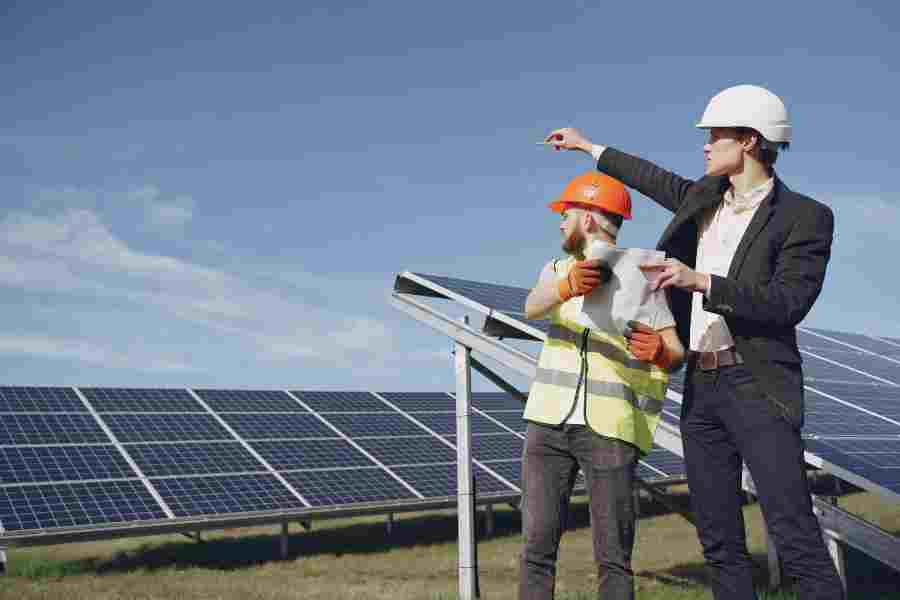
Every year, thousands of students graduate without a clear picture of what careers in clean energy actually look like. DreamWakers has always believed that exposure changes everything, and the renewable energy sector is one of the fastest-growing areas where that exposure gap is most visible.
Solar energy alone is projected to employ over 1 million workers in the United States by 2035. But behind the panels on rooftops and fields, there’s an entire ecosystem of technology-driven roles that most students never hear about.
From Installation to Intelligence
The image many students have of solar energy careers stops at installation. But the industry has evolved rapidly. Today, solar farms are monitored and managed through sophisticated software platforms. Engineers, data analysts, and technicians use Solar SCADA to track energy output, detect system faults in real time, and optimize performance across thousands of panels simultaneously, all from a laptop.
These are roles that blend environmental purpose with technical skill. They require problem-solving, data literacy, and an understanding of how AI fits into real-world infrastructure, exactly the kind of cross-disciplinary thinking schools are trying to build.
Why This Matters for Students in Under-Resourced Communities
Students in rural and urban communities often have the least exposure to emerging industries like clean tech. Yet these are precisely the regions where solar infrastructure is expanding fastest, meaning local job opportunities are growing in their own backyards.
When students can connect classroom skills in math, science, and technology to real careers that exist in their communities, motivation follows. A flashchat with a solar data engineer or an AI systems analyst can spark a pathway a student never knew was possible.
The Takeaway
Clean energy isn’t just an environmental story, it’s a workforce story. And for students who need to see what they can be, the solar sector offers a compelling, purpose-driven answer. The more we bring these professionals into classrooms, the better we equip the next generation to shape the future of energy.