
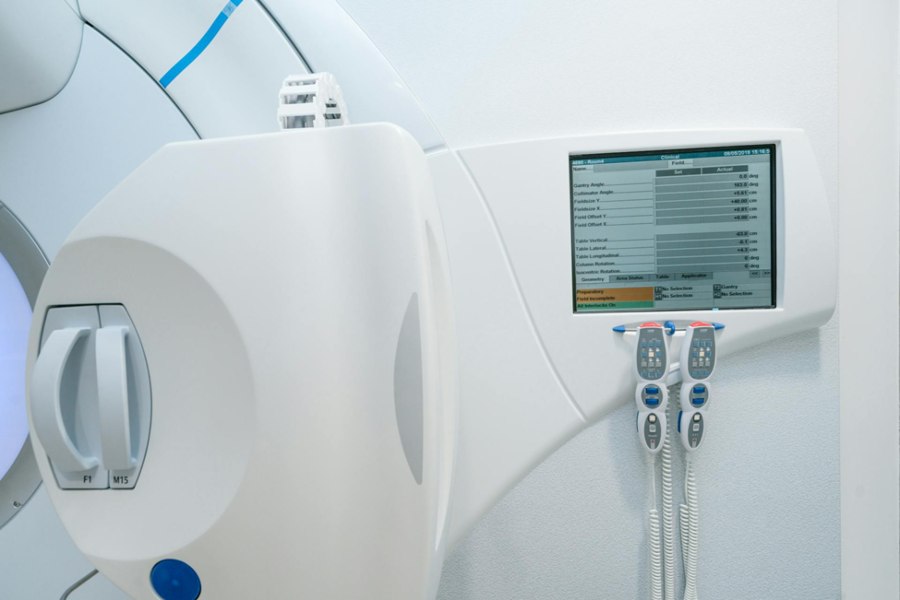
Healthcare is changing fast. Hospitals now rely on advanced machines for diagnosis, treatment, and patient monitoring. From MRI scanners to life-support systems, medical equipment plays a central role in saving lives. But these machines need skilled professionals who can install, maintain, and repair them. This is where biomedical equipment technology comes in.
In 2026, the demand for trained technicians continues to grow. Healthcare systems are expanding, and technology keeps advancing. This field offers a mix of healthcare and engineering, making it a strong choice for students who want practical skills and stable careers.
Let’s explore some top reasons why studying this field can be a smart decision.
Growing Demand in the Healthcare Sector
The healthcare sector continues to expand as populations grow and age. Hospitals and clinics rely heavily on medical equipment for accurate diagnosis and effective treatment. Devices such as patient monitors, imaging machines, and surgical tools must work properly at all times. This creates a steady need for professionals who can handle installation, maintenance, and repairs. In 2026, this demand is even stronger because healthcare providers are investing more in modern equipment. As a result, trained biomedical equipment technicians are becoming essential in both large hospitals and smaller healthcare centers.
Wide Range of Learning Opportunities
Students entering this field gain access to practical and focused education. Training programs cover subjects like electronics, human anatomy, and equipment safety. These areas help students understand both the technical and medical sides of the job. Many institutes now offer biomedical equipment technology courses that combine classroom learning with hands-on practice. This approach helps students build confidence while working with real equipment. It also prepares them for the challenges they may face in professional settings. The variety in learning ensures that students develop skills that match current industry needs.
Strong Job Stability
One of the main advantages of this field is job stability. Healthcare services do not stop, and medical equipment must always remain functional. This creates a constant demand for skilled technicians. Even during economic changes, hospitals continue to operate and require maintenance services. This makes the career less affected by market shifts compared to other industries. As long as healthcare systems depend on technology, professionals in this field will have reliable job opportunities. This stability attracts students who want a secure and long-term career path.
Opportunity to Work with Advanced Technology
Biomedical equipment technology offers the chance to work with some of the most advanced machines used in healthcare. Students and professionals learn how to manage equipment like MRI scanners, ventilators, and diagnostic systems. These tools are integral for modern medicine, and working with them provides valuable technical experience. As technology improves, new devices continue to enter the market. This keeps the field dynamic and engaging. Those who enjoy learning about new systems and staying updated with innovations will find this career rewarding.
Shorter Study Duration Compared to Other Medical Fields
Compared to becoming a doctor or specialist, this career path often requires less time in formal education. Many programs can be completed in a shorter period, allowing students to enter the workforce sooner. This also reduces the overall cost of education. Students can start earning and gaining experience earlier, which helps them build their careers faster. Despite the shorter duration, the training remains practical and focused. It equips students with the skills needed to perform their roles effectively in real-world settings.
Competitive Salary Potential
A career in biomedical equipment technology offers a steady and competitive income. Entry-level roles provide a solid starting salary, and earnings increase with experience and skill development. Technicians who specialize in handling complex equipment or take on supervisory roles often earn more. Today, healthcare facilities continue to invest in skilled professionals who can manage advanced systems. This creates better financial opportunities for those in the field. With the right training and experience, individuals can build a stable income without spending many years in education.
Career Flexibility Across Different Workplaces
This field allows professionals to work in a variety of environments. Hospitals are the most common option, but they are not the only one. Clinics, diagnostic labs, and rehabilitation centers also require equipment technicians. Some professionals choose to work with companies that manufacture or sell medical devices. Others move into technical support or equipment management roles. This flexibility helps individuals explore different paths within the same field. It also allows them to adjust their careers based on their interests and goals.
Contribution to Patient Care Without Direct Treatment
Not everyone wants to work directly with patients, but many still want to contribute to healthcare. Biomedical equipment technicians play an important role behind the scenes. They make sure that machines function correctly and deliver accurate results. When equipment works as expected, doctors can make better decisions about patient care. This support helps improve outcomes without direct involvement in treatment. It offers a sense of purpose while allowing individuals to focus on technical work.
Opportunities for Career Advancement
Growth opportunities in this field are clear and achievable. Technicians can choose to specialize in certain types of equipment, such as imaging systems or surgical tools. With experience, they may move into senior positions or management roles. Some professionals continue their education to expand their knowledge and skills. This can lead to roles in training, quality control, or technical consulting.
Global Career Opportunities
Skills acquired via biomedical equipment technology courses and experience in the field are useful in many parts of the world. Healthcare systems across different countries rely on similar types of equipment. This creates opportunities for professionals to work internationally. With the right experience and certifications, individuals can apply for roles in various regions. In 2026, global demand for healthcare services continues to rise, increasing the need for trained technicians. This makes the field appealing for those who want to explore careers beyond their local area.
Choosing a career is not only about what is popular today but also about what will remain relevant in the years ahead. Biomedical equipment technology offers a clear path for those who want practical skills and meaningful work. It connects technical knowledge with real-world impact, without requiring the long route of traditional medical careers. As healthcare systems continue to rely on advanced machines, the need for skilled professionals will not fade. For students who want a career that keeps them engaged, adaptable, and connected to a vital industry, this field presents a strong and sensible direction.