
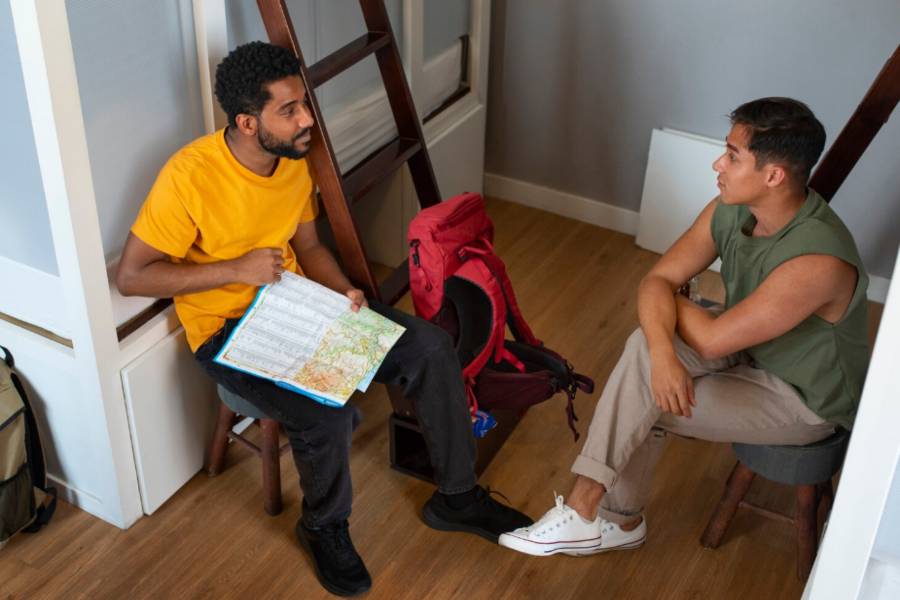
Moving into shared accommodation feels like the real beginning of student life. Your own room, new housemates, and considerably more freedom than most students had at home. The first week, though, has a way of surfacing problems nobody thought to check beforehand.
A missing rent receipt, an unclear bill arrangement, or arriving late with no key instructions can make the move harder than necessary. International students face extra pressure on top of this. Unfamiliar tenancy rules, a new campus, and limited local support all land at once. Good preparation makes a genuine difference.
Four Things to Sort Before Moving In
Here is a list of four things to sort out prior:
Checking Rent Documents Before Paying Anything
A room can look perfectly fine during an inspection. The paperwork tells you what you’re actually agreeing to. Before sending any money, ask for:
- The rental or rooming accommodation agreement
- Bond amount and where it will be lodged
- Weekly or monthly rent amount
- Bills included in rent and any fair-use limits
- Notice period required before moving out
- Rules around guests, smoking, pets, and shared spaces
Students should know whether they’re signing a formal tenancy agreement or a private arrangement with a head tenant.
Each setup affects who handles repairs and what happens when a housemate leaves. Never rely on a verbal promise when large upfront payments are involved.
Also, keep written records of everything. Save receipts, bank transfer screenshots, and any emails about rent or bond. You should pay close attention to bonds, condition reports, and landlord communication from the very beginning.
A cheap room can become expensive quickly. Ask about electricity, gas, water, internet, and laundry costs before signing, not after the first bill arrives.
Staying Safe on Shared Networks
Shared accommodation almost always means shared Wi-Fi. Every housemate, guest, smart TV, gaming console, and unknown old device may sit on the same network. Poor network setup can expose devices to snooping, malware, and unauthorized file access.
Start with the router. Change the default admin password if you have permission to manage it. Set a strong Wi-Fi password and avoid sharing it with every visitor. Set up a separate guest network where possible. Insecure routers allow cybercriminals to access connected devices, so we recommend changing default credentials as a basic first step.
You should also pay attention to your own device settings as well:
- Turn off automatic file sharing
- Rename devices so they don’t reveal your full name
- Keep your laptop locked when you leave your room
- Avoid leaving shared cloud folders or media libraries open to the whole network
For sensitive tasks like accessing student records, visa documents, or banking apps, mobile data is considerably safer than a shared network. When mobile data isn’t available, using a VPN is advised. We recommend a secure network widely considered as best VPN for student use. It encrypts your connection and shields your activity from other devices on the same network. This is particularly worth having when logging into university portals, payment platforms, or cloud storage from a shared house connection.
Sorting Shared Bills, Chores, and House Rules Early
Housemate tension rarely starts with anything dramatic. It starts with small, unclear things. Who buys toilet paper? Who cleans the bathroom? Who pays when something breaks?
Agree on shared bills before the first invoice arrives. Decide whether one person collects contributions or everyone pays the provider directly. Find out whose name is on the utility account, because that person carries more responsibility if others pay late.
A simple shared spreadsheet prevents most of this confusion. Log each bill, note the due date, and mark who has paid. Students juggle different timetables, part-time jobs, and exam periods, so assuming everyone will remember their share does not work out well.
Chores need the same level of clarity:
- Divide tasks by area: kitchen, bathroom, bins, floors, fridge
- Agree on minimum standards, not perfect ones
- Set a rotating schedule so the same person isn’t doing everything
House rules should cover noise, study hours, guests, bathroom timing, and overnight visitors. Clear rules aren’t about controlling people. They help strangers live together without constantly guessing each other’s limits.
Setting Up Your Room for Studying, Not Just Sleeping
A shared apartment should support concentration, not only provide somewhere to sleep. Before coursework gets demanding, check whether your room can actually handle long study sessions. Your desk should sit near a power outlet, your chair should support your back, and your lighting should reduce eye strain. Ceiling lights in student rooms are often too harsh or poorly positioned for extended reading. A small desk lamp with adjustable brightness fixes this without needing landlord permission.
Test your Wi-Fi speed before assignments start piling up. Run a speed test from your room, the shared lounge, and anywhere else you might study. Video lectures, cloud storage, and group calls are all affected when too many devices compete for bandwidth. If the signal drops in your room, ask whether the router can move to a more central spot. A Wi-Fi extender or wired Ethernet connection can also help where the lease allows it.
A Careful Move-In Sets the Right Foundation
Shared accommodation works best when students treat it as both a home and a legal arrangement. Friendly housemates are important, but so are proper records, working locks, safe Wi-Fi, and a clear arrival plan.
Read the documents before paying. Photograph the room before unpacking. Secure your devices on shared networks. Put bills and chores in writing. Plan the key collection and transport details before leaving home. A careful move-in won’t remove every problem, but it gives you a much stronger start to the year.