
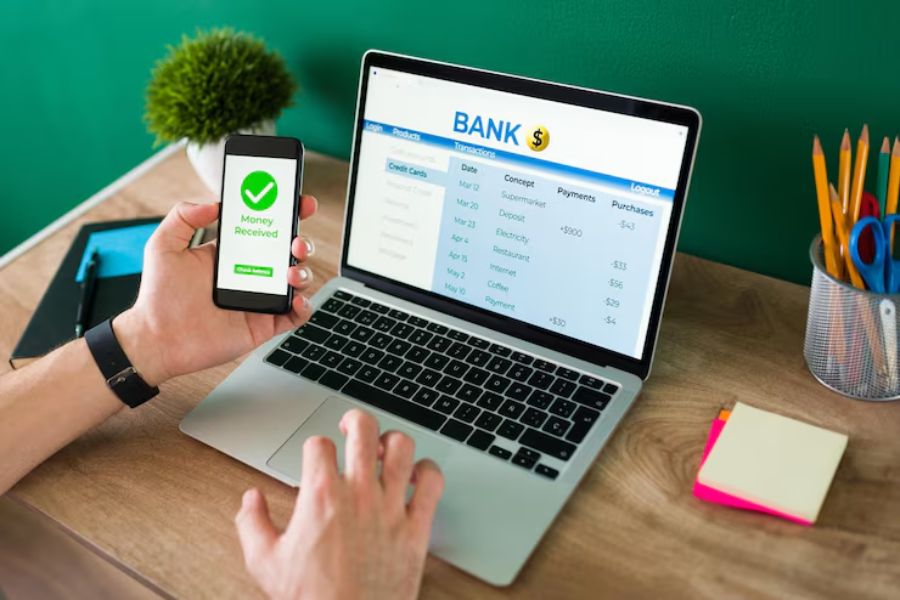
Opening your first bank account is one of those quiet milestones that signal growing independence. Whether you’re starting your first job, managing money on your own for the first time, or simply ready to move beyond cash, this step often marks the beginning of a more organized financial life.
At the same time, it can feel confusing. Banks use unfamiliar terms, applications ask for specific information, and it’s not always clear what really matters versus what’s just optional. Many people worry about choosing the wrong account or missing something important during the process.
The truth is, opening a bank account doesn’t need to be complicated. With a little preparation and a basic understanding of how banking works, you can approach the process with confidence. Knowing what to expect ahead of time helps you avoid delays, reduce stress, and start your banking journey on solid ground.
What You Need to Prepare Before Opening a Bank Account
Before you apply for an account, it helps to understand the basic information and documents banks typically ask for. Being prepared saves time and prevents frustration, especially if you’re opening an account for the first time.
Most banks require proof of identity, basic personal details, and confirmation that you meet eligibility guidelines. Reviewing the requirements to open a bank account ahead of time can help you understand what documents and information are commonly needed, such as identification, address details, and verification steps, so you’re not caught off guard during the application process.
Preparation also gives you the chance to slow down and make thoughtful choices rather than rushing through decisions. When you know what’s expected, the entire experience feels more manageable and less intimidating.
Understanding Different Types of Bank Accounts
Once you’re ready to open an account, it’s helpful to know the basic types available. Most first-time account holders start with either a checking account, a savings account, or both.
A checking account is typically used for everyday transactions like receiving income, paying bills, and making purchases. A savings account, on the other hand, is designed for setting money aside and building a habit of saving over time. Each serves a different purpose, and many people use them together to stay organized.
Understanding these differences helps you choose an account that matches how you plan to use your money, rather than opening something that doesn’t quite fit your needs.
Choosing the Right Bank for Your Needs
Not all banks operate the same way, and choosing where to open your first account matters more than many people realize. Some banks focus on in-person service, while others emphasize online access and digital tools.
Think about what’s most important to you. Convenience, ease of use, customer support, and accessibility all play a role. If you prefer handling everything from your phone, online access may matter more. If you value face-to-face help, branch availability might be a priority.
Taking time to compare options helps ensure your first banking experience feels supportive rather than frustrating.
Fees, Minimums, and What to Watch Out For
One area that often surprises new account holders is fees. Some accounts charge monthly maintenance fees, while others may have minimum balance requirements or transaction limits.
These details aren’t meant to confuse you, but they’re easy to overlook if you don’t know where to look. Reading account terms carefully helps you avoid unexpected charges and choose an option that fits your habits.
Being aware of fees from the start allows you to keep more of your money and avoid unnecessary stress later.
How Online Banking Changes the Experience
Technology has changed how people interact with banks. Online and mobile banking tools allow you to check balances, track activity, and manage money without visiting a physical location.
For first-time account holders, this level of access can feel empowering. You can see where your money is going, monitor activity in real time, and stay organized with minimal effort.
Learning to use these tools early helps you stay engaged with your finances and build confidence in managing your account.
Setting Up Good Banking Habits From the Start
Opening an account is only the first step. How you use it matters just as much. Developing simple habits early on can make a big difference in your financial comfort level.
Checking your balance regularly, reviewing transactions, and keeping track of spending help prevent surprises. These habits don’t take much time, but they create awareness and control. You can track the time you spend on each task, just like a Time Lapse, to ensure you stay on top of your finances.
When banking becomes part of your routine rather than something you avoid, managing money feels less stressful and more predictable.
Common Mistakes First-Time Account Holders Make
Everyone makes mistakes when learning something new, and banking is no exception. Some people forget to monitor their accounts regularly, misunderstand how fees work, or assume everything will take care of itself once the account is open. These small oversights can lead to confusion or unexpected charges if they go unnoticed.
The good news is that most of these mistakes are minor and easy to correct once you’re aware of them. Taking time to review account activity, reading notifications, and asking questions when something isn’t clear can prevent the same issues from happening again. Staying engaged with your account helps you catch problems early.
Viewing mistakes as learning experiences rather than failures makes it easier to grow more confident over time and develop better banking habits moving forward.
Opening your first bank account is an important step, but it doesn’t need to feel overwhelming. With a basic understanding of what to prepare, what to look for, and how to manage your account, you can approach the process calmly and confidently.
Banking is a skill you build over time, not something you need to master overnight. By staying informed, paying attention to details, and developing good habits early, you set yourself up for smoother financial experiences ahead.
Your first bank account isn’t just a place to store money. It’s a tool that helps you take control of your finances and move forward with confidence.